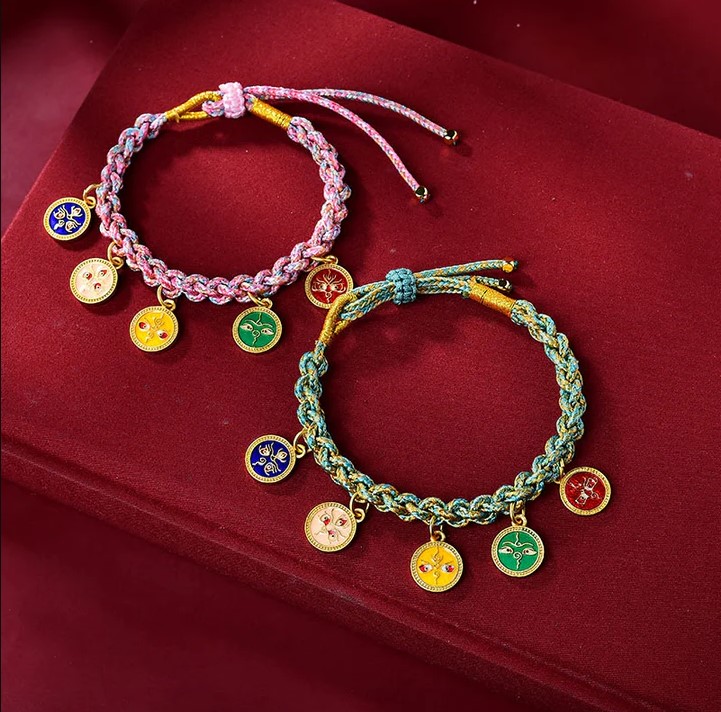
The Dharma Adornment: A Guide to Buddhist Jewelry
In Buddhist practice, necklaces and bracelets are not mere ornaments; they are portable reminders of the Dharma, connecting spiritual cultivation to daily life. Each mindfully crafted item carries ancient symbolism and spiritual significance, helping us maintain awareness and dwell in the present moment.
Common Types and Their Symbolic Meanings
1. Mala (Prayer Bead) Bracelets & Necklaces
-
Material Symbolism:
-
Bodhi Seeds: Represent enlightenment, commemorating the Buddha’s awakening under the Bodhi tree.
-
Sandalwood: Purifies the body and mind, aiding meditation.
-
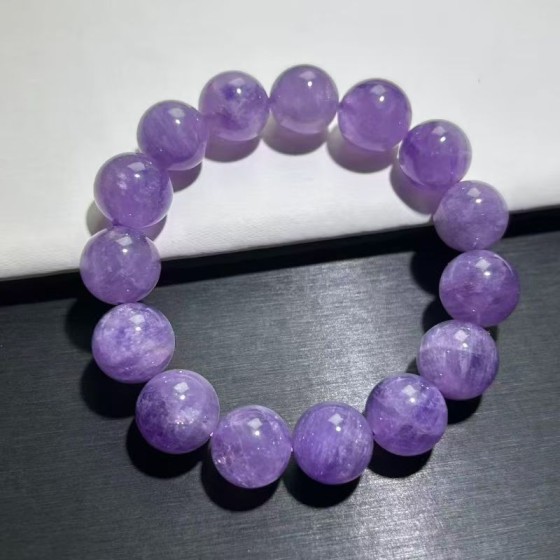
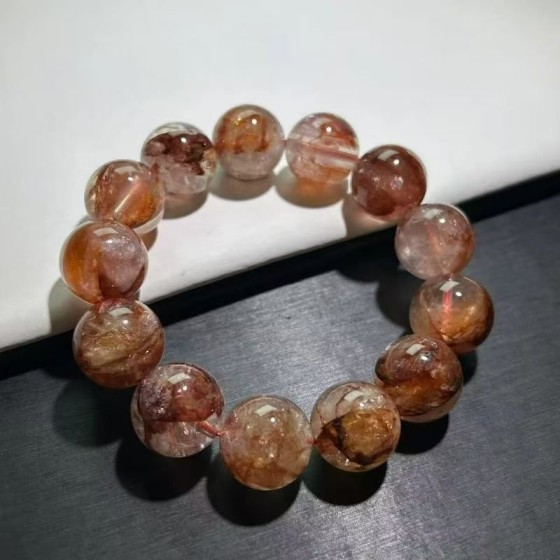
Crystal/Jade: Cleanses energy and stabilizes emotions.
-
Agarwood: Facilitates connection with the sacred, enhancing spiritual awareness.
-
-
Bead Count Significance:
-
108 beads: Corresponds to overcoming 108 mental afflictions, symbolizing completeness.
-
54 beads: Represents the 54 stages of a Bodhisattva’s path.
-
27 beads: Symbolizes the 27 sages of the Śrāvakayāna tradition.
-
21 beads: Denotes the ten grounds, ten pāramitās, and Buddhahood.
-
18 beads (common bracelets): Represents the "eighteen realms" or the eighteen Arhats.
-
2. Mantra & Mandala Pendants
-
Six-Syllable Mantra (Oṃ Maṇi Padme Hūṃ):
The heart mantra of Avalokiteśvara (Guanyin), embodying the union of compassion and wisdom. Wearing it is believed to purify karmic obstacles and bring peace.
-
Mañjuśrī Wisdom Mantra (Oṃ A Ra Pa Ca Na Dhīḥ):
Enhances wisdom, aids learning, and improves discernment—ideal for students and knowledge workers.
-
Heart Sūtra Pendants:
Condense the essence of the Prajñāpāramitā Hṛdaya Sūtra, reminding us of the Middle Way: "Form is emptiness; emptiness is form."
3. Buddhist Symbolism Series
-
Lotus Design: Purity, awakening, and liberation—rising unstained from mud.
-
Dharma Wheel: The eternal turning of the Dharma, propelling spiritual progress.
-
Endless Knot (Śrīvatsa): Represents the interdependence of all phenomena and the continuity of cause and effect.
-
Vase of Treasures: Symbolizes a "store of completeness" for wealth, health, and wisdom.
-
Choosing Jewelry Aligned with Your Practice
Based on Spiritual Needs:
-
For Inner Peace: Sandalwood or agarwood with Heart Sūtra inscriptions.
-
For Wisdom: Mañjuśrī mantra pendants or dark crystals.
-
For Cultivating Compassion: Avalokiteśvara mantra with white jade or pearls.
-
For Overcoming Obstacles: Vajra designs with obsidian or tiger’s eye.
For Daily Contexts:
-
Office Wear: Subtle 18-bead bracelets for discreet mindfulness.
-
Meditation Practice: 108-bead malas for mantra counting and focus.
-
Special Occasions: Exquisite mandala pendants, dignified and meaningful.
Wearing and Caring with a Mindful Attitude
-
Wear with Respect:
These objects are reminders of the Dharma, not mere accessories. Wearing them with reverence itself accumulates merit.
-
Daily Moment of Reflection:
When putting them on, pause briefly to contemplate their symbolism and set an intention for virtuous thoughts and actions.
-
Regular Purification and Blessing:
On lunar calendar days (e.g., new moon, full moon) or Buddhist holidays, place them before a Buddha image, recite sutras or mantras, and reinfuse them with mindful energy.
-
Impermanence and Non-Attachment:
If jewelry breaks, view it as "bearing a karmic obstacle on your behalf." Thank it calmly, handle it properly, and let go of excessive attachment.
A Wisdom Reminder: Beyond the "Blessing"
The true "blessing" lies not in the object but in how the wearer embodies the Dharma in daily life:
"Do not seek outwardly; the Buddha is within."
Jewelry is merely an aid; real power arises from our mindfulness, compassion, and wisdom.
May your chosen piece of Buddhist jewelry be not just an adornment but the beginning of an inner journey. Each turn of the beads, each touch to the chest, becomes a gentle nudge back to the present—a secret dialogue with the Dharma amidst the mundane.
May you find the connection that resonates with your path, allowing the teachings to flow naturally through every step, breath, and moment.